Published
Philip Samartzis
The Pleasure Garden
The Pleasure Garden was made at Vaucluse House, a nineteenth-century colonial estate overlooking Sydney Harbour. Almost everything in the garden has been introduced. Plants, paths, boundaries and views have been cultivated and arranged to produce the appearance of a natural place. Beneath this surface lie other histories and ecologies, partially obscured but never entirely absent.
The garden occupies an unstable space between the natural and unnatural. What appears settled is not. Earth, vegetation and fences carry traces of occupation, displacement and erasure. Roots move through disturbed ground. Plants spread beyond their intended boundaries. Growth conceals what came before, while faint vibrations and disturbances suggest something still moving beneath the surface.
For Petit Bardo, The Pleasure Garden listens into this instability. To what remains after something has gone. To what is disappearing around us. And, perhaps, to what might continue after we have vanished.
Recorded and Mixed August 17, 2026
The Pleasure Garden was developed during the Vaucluse House Creative and Cultural Residency, supported by Museums of History NSW.
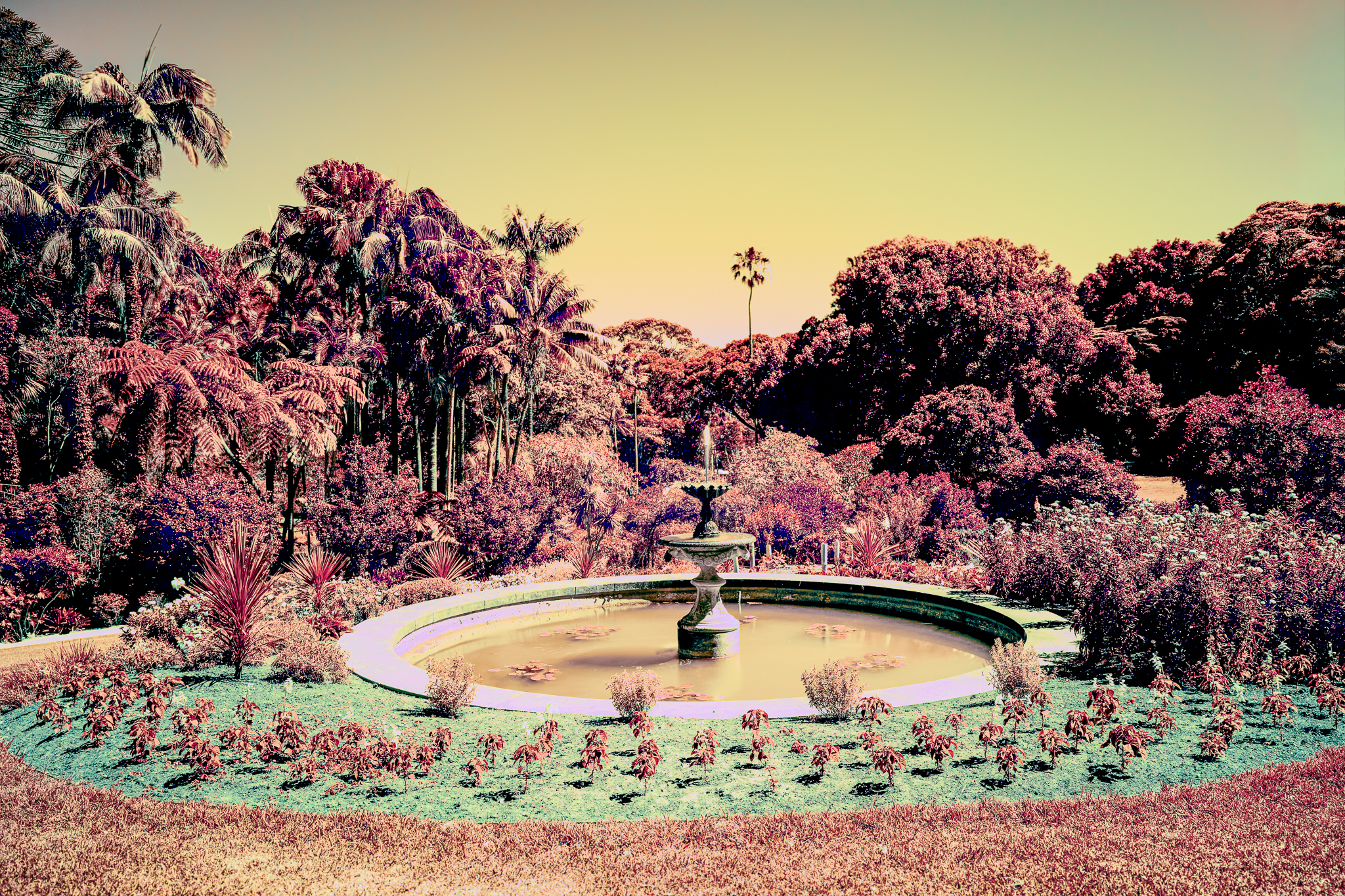
Image credit: The Pleasure Garden at Vaucluse House, Sydney by Philip Samartzis (2025)
→ Website